
Adding a second living space can open up new options for family, guests, or rental income, but the type of unit you choose will affect your cost, layout, and long-term plans.
Key Takeaways
- A JADU (Junior Accessory Dwelling Unit) must be built within the existing walls of your home, while an ADU can be a separate structure on your property.
- JADUs come with specific rules about owner occupancy, zoning eligibility, and what the unit must include to be considered a legal living space.
- Both JADUs and ADUs have real benefits and trade-offs, so understanding your goals and your property’s limitations will help you choose the right option.
If you’re a homeowner thinking about adding a rentable space to your property or a place for a family member to live nearby, choosing between JADU vs. ADU can shape everything from your budget to your building plans. These two housing options may sound similar, but they come with different rules, layouts, and long-term possibilities. This guide breaks down both options so you can make a smarter decision before you start building.
What Is the Difference Between a JADU and an ADU?
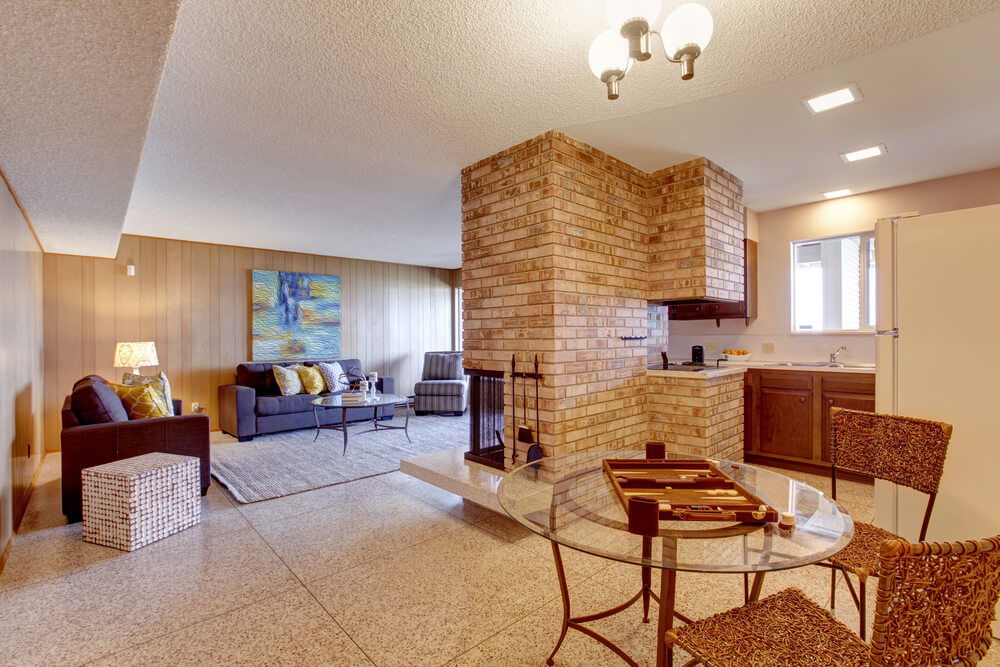
A Junior Accessory Dwelling Unit, or a JADU, is a small living unit that’s created entirely within the existing walls of your primary home. Think of a basement apartment, a converted garage that shares a wall with the house, or a sectioned-off wing of a larger home.
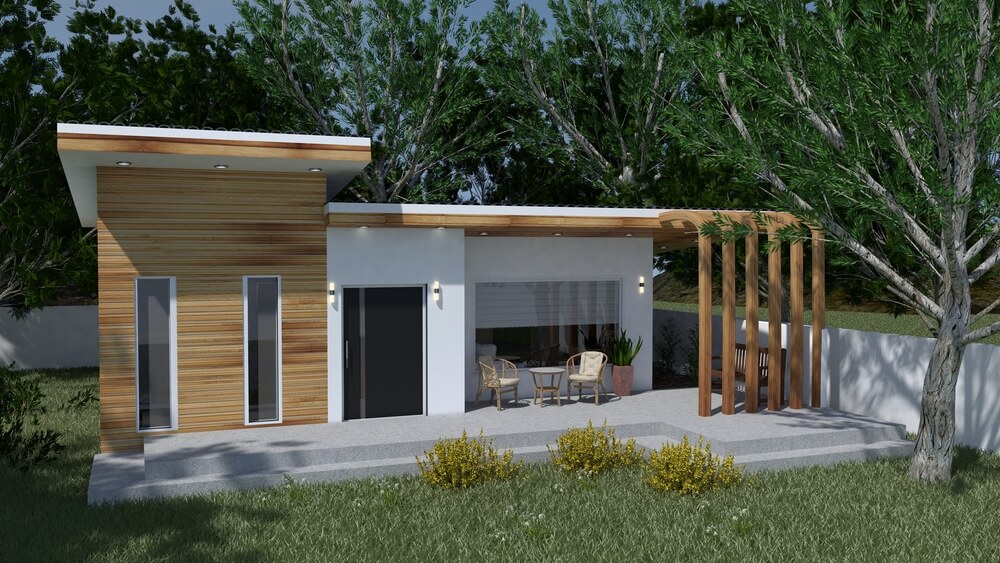
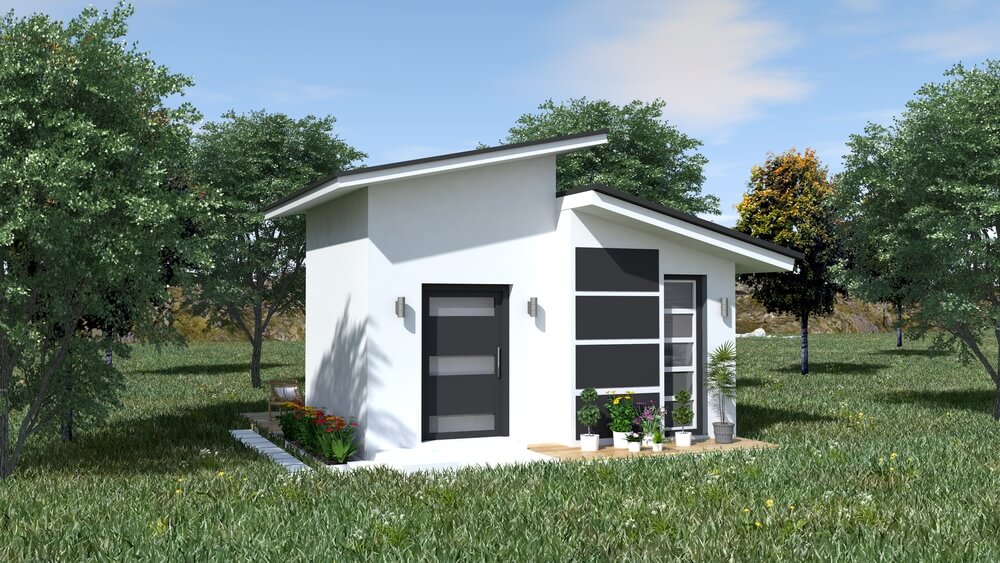
Accessory Dwelling Unit, or an ADU, is a broader category. It can be attached to your home, like an in-law suite with its own entrance, or completely detached, like a backyard cottage or converted garage with its own foundation and utilities. ADUs tend to be more independent and more expensive to build than JADUs.
Can You Attach a JADU to an ADU?
A junior ADU cannot be attached to an ADU. By definition, a JADU is a small unit built inside the primary home.
Splitting one ADU into multiple separate rental units is also usually not allowed. If you do, you may be creating a duplex, multifamily housing, or an unpermitted dwelling, depending on local code.
In many states, local jurisdictions allow both a JADU and an ADU on the same property at the same time. That means you could, in theory, have your basement converted as a JADU while also building an ADU in your backyard.
What Are the Requirements for a JADU in Utah?
Utah doesn’t use the term “JADU.” What many people might call a JADU is usually considered an IADU (Internal Accessory Dwelling Unit) in Utah. If you’re adding an internal ADU, the rules depend on where you live. State law sets a basic framework, but each city can create its own requirements.
An internal ADU in Utah generally needs to:
- Be located inside the main home or within the home’s existing footprint
- Have areas for eating and sleeping, plus a kitchen and full bathroom
- Include at least one extra off-street parking space for the unit, usually on an approved driveway or paved area
- Be permitted and licensed before someone lives in it
Because requirements vary by city, check your local code before designing, building, or renting an internal ADU.
What Are the Pros and Cons of ADU vs. JADU?
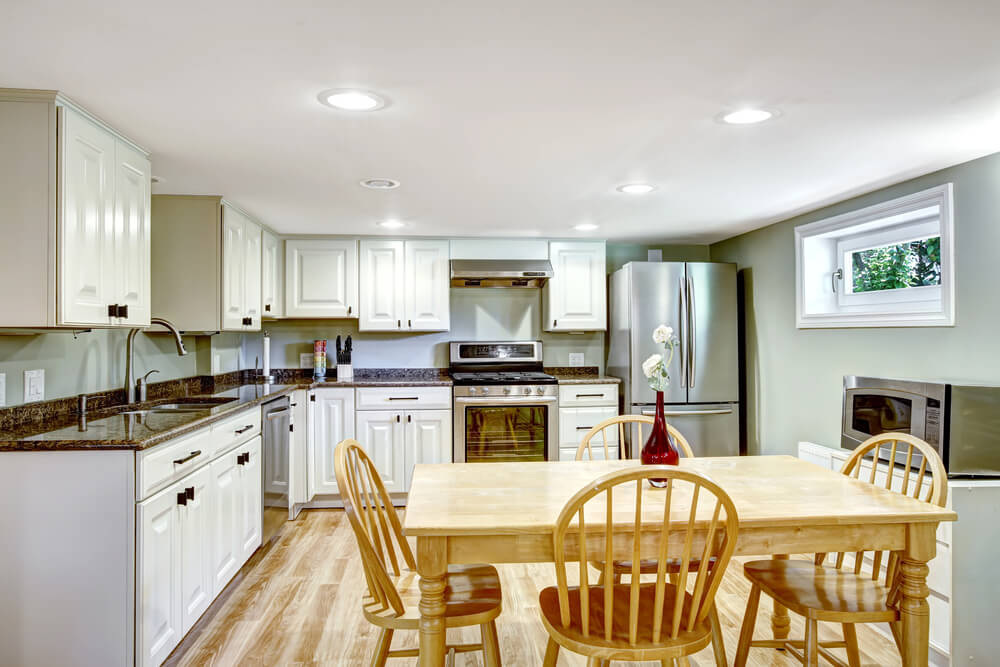
Both ADUs and JADUs can add usable living space, support multigenerational living, and create rental income potential. They also come with trade-offs, so the right choice usually depends on your budget, available space, and need for privacy.
Pros of ADUs
The biggest benefit of an ADU is independence. An ADU can be attached to the home, built as a detached backyard unit, or converted from another structure. That gives homeowners more flexibility in how the space looks, functions, and feels.
Other notable advantages include:
- A separate entrance and living area can give everyone more privacy.
- A larger, more independent unit may have stronger rental appeal.
- The space can serve many uses over time, from guest housing to a home office or in-law suite.
All of these advantages can make an ADU a strong fit if you want a more complete living space with more privacy and long-term flexibility.
Cons of ADUs
The biggest downside of an ADU is usually the cost. ADU building costs can include new construction, utility upgrades, plumbing, electrical work, HVAC, and more detailed permitting. Even though ADUs are smaller than primary homes, they can still be a major project.
Other potential drawbacks include:
- New construction or major conversions usually take longer to design, permit, and build.
- Lot size, setbacks, parking, and utility access can limit what you’re allowed to build.
- A separate unit means more systems, finishes, and exterior space to maintain.
The question is whether the long-term use of the space justifies the upfront work. If your ADU will support your needs, add rental income, or improve your property’s flexibility for years, the investment may be worth the added planning.
Pros of JADUs
The biggest benefit of a JADU is usually the lower cost. Since a JADU uses space that’s already inside the home, you may avoid major expenses like a new foundation, new exterior walls, and extensive site work.
Other notable advantages include:
- Shared utility systems may be allowed, depending on local rules.
- Family members or guests can have some independence without needing a fully separate home.
- Unused space, like a basement or spare suite, can become a more functional living area.
All of these advantages can make a JADU a practical option if you want to add living space without taking on a full new build.
Cons of JADUs
The biggest downside of a JADU is the limited privacy. Because a JADU is built inside the main home, your shared walls, nearby entrances, and everyday household noise can become issues.
Other potential drawbacks include:
- Space is usually limited, so a JADU may not work well for every tenant or family situation.
- The existing layout can limit the kitchen, bathroom, storage, and natural light.
- Owner-occupancy rules, rental limits, or local permit requirements may affect how you can use the space.
These trade-offs mean that a JADU works best when the homeowner and occupant are comfortable with a smaller, more connected living arrangement.
Steve Austin Homes Can Build Custom ADUs in Utah
Steve Austin Homes has spent over two decades building high-quality custom homes and accessory dwelling units throughout the Weber and Davis County areas. Homeowners in Northern Utah trust us because of our commitment to craftsmanship and a building process that keeps you informed at every stage.
Whether you want to convert your basement into a JADU or build a fully independent detached ADU in your backyard, our team has the experience to guide you through zoning, design, permitting, and construction from start to finish.
If you’re ready to explore what’s possible on your lot, reach out to Steve Austin Homes, your Northern Utah custom home builder, and let our team help you build the JADU or ADU solution that fits your home, your neighborhood, and your life.