
Does an accessory dwelling unit make sense for your Utah home? This guide explains what an ADU is, how ADUs work in Utah, and what Northern Utah ADU builders check before starting a project.
Key Takeaways
- An ADU is a second, self-contained living space on the same property as a primary home.
- In Utah, ADU rules can vary by city, especially for size, parking, setbacks, permits, owner occupancy, and rental use.
- Internal ADUs, such as basement apartments, and detached ADUs, such as backyard cottages, are treated differently under Utah law.
An ADU, or accessory dwelling unit, is a secondary living space added to, built inside, or detached from a primary single-family home on the same lot. In simple terms, it’s a smaller home that shares the same property as the main house. Utah law defines an ADU as a habitable living unit that is added to, created within, or detached from a primary single-family dwelling and contained on one lot.
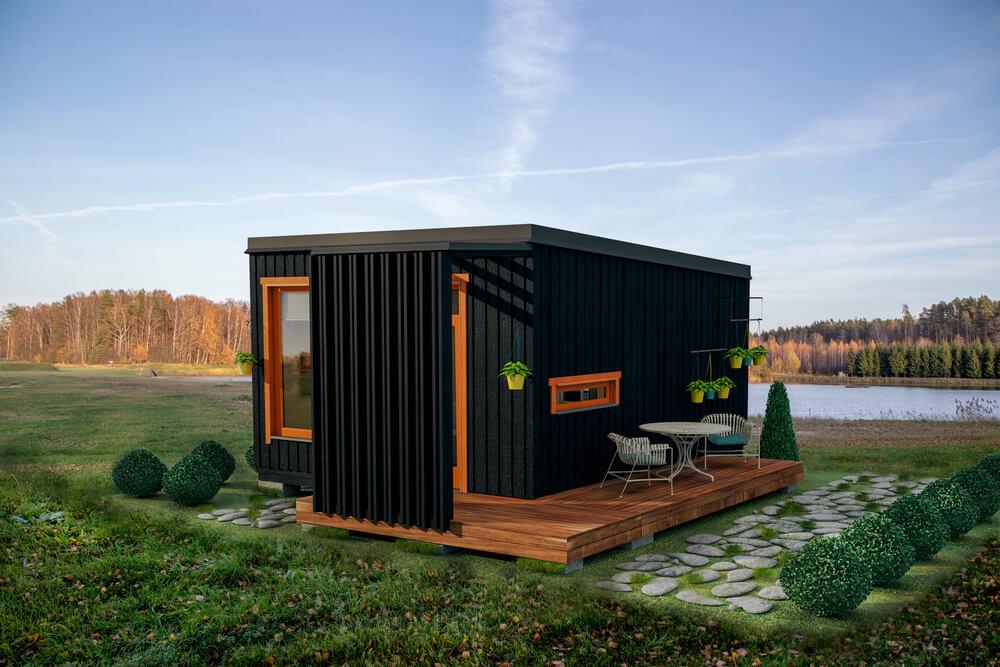
An ADU in Utah might look like a basement apartment in North Ogden, a backyard home in Pleasant View, an above-garage apartment in Roy, or a detached guest house in West Haven. Homeowners often use ADUs for aging parents, adult children, guests, long-term rental income, private office space, or more flexible living space.
What Qualifies as an ADU in Utah?
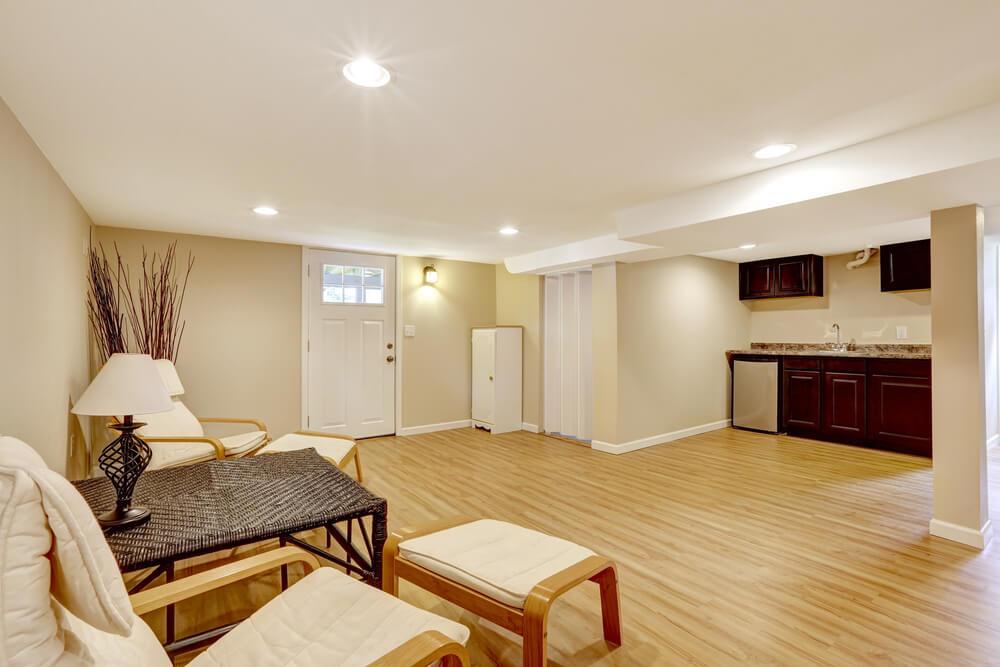
A legal ADU needs to function as an independent living space. Requirements vary by city, but most ADUs include:
- A sleeping or living area
- A kitchen or approved cooking area
- A bathroom
- Safe access or a separate entrance
- Water, sewer, electrical, and utility connections
- Compliance with building, fire, health, zoning, and safety codes
- City or county approval before use
A finished shed, detached garage, or basement room does not automatically qualify as an ADU. The space needs to meet local code and be approved for residential use.
Utah also has a specific category called an internal accessory dwelling unit, or IADU. An IADU is created inside the primary dwelling, within the home’s existing footprint, and is used for long-term rental of 30 consecutive days or more. It must be part of a detached, owner-occupied, single-family home.
Internal ADU vs. Detached ADU
The two main ADU categories Northern Utah homeowners should understand are internal ADUs and detached ADUs.
Internal ADU
An internal ADU is built inside the existing home. A finished basement apartment is the most common example in Northern Utah. Internal ADUs are often appealing because the structure already exists, but they still need proper access, kitchen and bathroom facilities, fire separation, egress, parking compliance, and city approval.
Detached ADU
A detached ADU is separate from the main house. This could be a backyard home, casita, detached garage conversion, or small cottage. Utah’s 2026 ADU legislation requires certain municipalities to adopt rules allowing detached ADUs on lots of at least 11,000 square feet when the lot contains a single-family dwelling and single-family use is allowed there. Cities may still regulate details like setbacks, height, lot coverage, design consistency, owner occupancy, utilities, and rental length.
What Are the Different Types of ADUs?
In addition to the internal and detached ADU options, here are the most common ADU types Northern Utah homeowners consider:
- Attached ADU: A home addition connected to the primary house that shares a wall but has its own entrance and full living amenities.
- Garage Conversion ADU: An existing garage converted into a livable unit, often a lower-cost ADU since the structure and utilities may already be in place.
- Interior ADU: A unit built within the main home, such as a basement or converted living space, with a separate entrance and full kitchen and bath.
- Junior ADU (JADU): A smaller unit, typically under 500 square feet, created inside the main home as an interior ADU and often shares a bathroom or utilities.
- Above-Garage ADU: A unit built on top of a garage that uses vertical space to add separation while maximizing lot usage.
- Casita: A small detached living space, usually in the backyard. A casita can be an ADU, but not every ADU is a casita.
Understanding the different types of ADUs available helps you have a more productive conversation with your custom home builder in North Ogden about what you want and what will work on your property.
Utah ADU Rules to Check Before You Build
ADU rules are not the same in every Utah city. The Utah Property Rights Ombudsman notes that local governments may define, allow, or restrict ADUs through local ordinance, while internal ADUs are also regulated by state law.
Before building an ADU in Northern Utah, check:
- Whether your zoning allows the ADU type you want
- Lot size and setback requirements
- Height and lot coverage limits
- Parking requirements
- Owner-occupancy rules
- Long-term rental or short-term rental restrictions
- Utility capacity for water, sewer, power, and gas
- HOA rules, if your property is in an association
- Permit and inspection requirements
Ogden is a good example of why local review matters. Ogden City allows no more than one ADU on a qualifying single-family parcel, sets detached ADU size limits of 300 to 800 square feet, limits detached ADUs to 25% of the rear yard area, and requires an ADU permit in addition to any needed building permits.
HOA rules also deserve attention. Utah’s HOA guidance says an HOA generally may not prohibit a compliant internal ADU, but the unit still needs to meet local land use rules, building codes, health codes, and fire codes. Detached ADUs may face different HOA or development restrictions.
Is an ADU a Good Fit for Your Property?
An ADU can be a practical option if your property has enough space, proper utility access, and a layout that works for a separate living area. Utah ADUs are often used for family housing, guest space, long-term rentals, home offices, studios, or flexible space that can change as your needs change.
The best first step is a property review. A builder can help you understand where an ADU could fit, what type of unit makes sense, and which city rules may affect the design.
Build a Custom ADU in Northern Utah
An ADU is a smart investment for your Utah property, and Steve Austin Homes helps homeowners turn that investment into a living space that truly fits their home and lifestyle. As an experienced ADU builder in Northern Utah, we help with site evaluation, design, permit applications, utility and gas diagrams, owner documentation, city review comments, and construction.
Ready to build a custom home addition? Contact Steve Austin Homes today, and let’s talk about your ADU plans.