
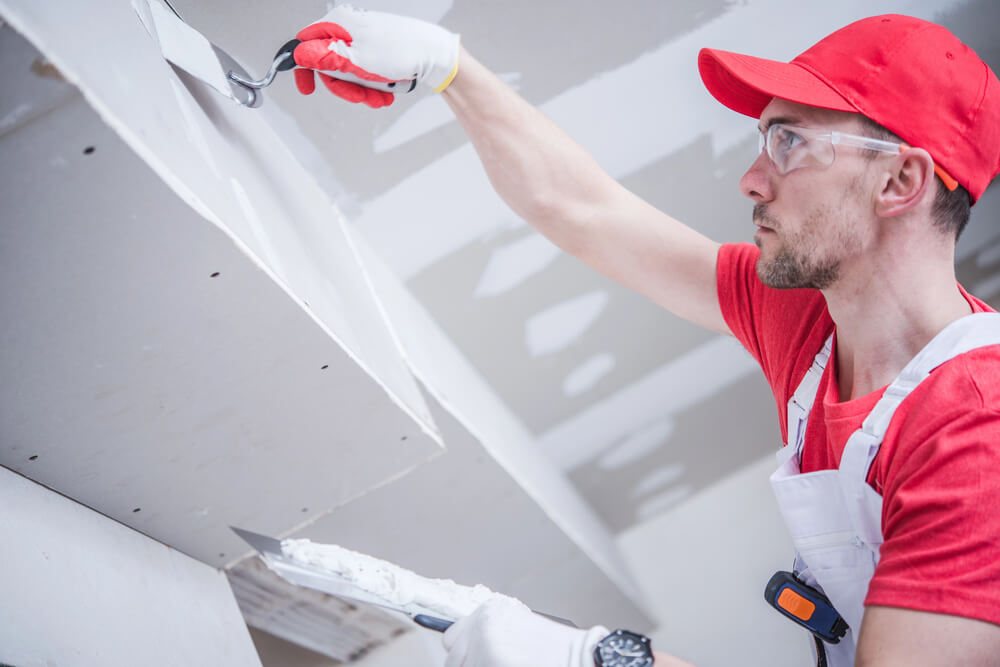
Finishing your basement can add useful living space, but the final cost depends on the size of your space and what materials you choose.
Key Takeaways
- Finishing a basement in Northern Utah costs around $35,000 to $50,000 for a simple open layout. More complete projects often reach $50,000 to $110,000 or more.
- Plumbing is often the most expensive part of a standard basement finish because drain lines have to be cut into the concrete slab.
- A finished basement typically returns 60% to 80% of what you spend, but the best return comes from building a layout your family will actually use.
An unfinished basement is one of the most overlooked opportunities in a home. You already own the space, and finishing it means your family gains more room for daily living without moving to a bigger house or adding square footage to the outside.
But when you start researching how much it costs to finish a basement, it can be hard to get definitive answers because every basement starts in a different condition, and every homeowner wants something different.
A better starting point is to understand what a realistic range is. This guide breaks down what basement finishing in Northern Utah typically costs and what makes one project more expensive than another.
How Much Does Finishing a Basement Cost in Northern Utah?
Basement finishing costs in Northern Utah vary a lot based on what you’re building. A simple open layout with basic finishes can start around $35,000 to $50,000. A more complete project that includes a bedroom, bathroom, and dedicated storage tends to land between $50,000 and $70,000. If you want a higher-end space with a guest suite, wet bar, or home theater, you’re likely looking at $75,000 to $110,000 or more.
Apartment-style layouts, sometimes called accessory dwelling units or ADUs, sit at the top of the cost range. Because these spaces function as a separate living area with their own kitchen, bathroom, bedrooms, and sometimes a private entrance, the planning and trade work involved is much more extensive. A realistic range for a basement ADU is $90,000 to $150,000 or more.
What Costs Go Into Basement Finishing in Northern Utah?
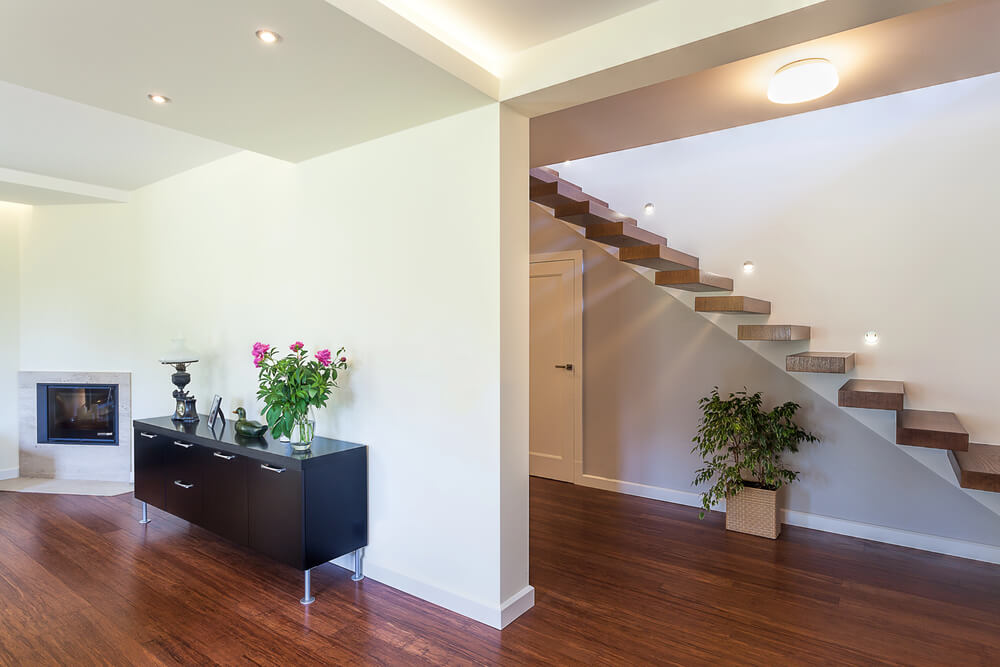
Your finished basement can add value and function to your home, but costs can climb quickly without a clear plan. The sections below break down common basement finishing costs by the percentage of your total budget they may represent. These percentages can help you see where your money is likely to go and where you may have room to save. They’re general planning ranges, not hard rules, and your actual costs may shift based on your basement’s size, layout, condition, and finish level.
Framing and Drywall: 15% to 20%
Framing and drywall typically account for 15% to 20% of your basement finishing budget. Because you’re working against a concrete foundation wall, you can’t attach drywall directly to it. Framing creates a small gap between the drywall and the foundation that allows insulation to be installed properly and gives moisture somewhere to go if it ever works its way through the concrete. Skipping that step to save money tends to create bigger problems down the road.
Your ceiling is where things can get complicated. Basements often have ductwork, plumbing runs, and beams crossing overhead at irregular intervals. Building soffits around those obstructions takes real labor. A basement with a clean eight-foot ceiling and minimal mechanical obstructions is much simpler to finish than one where you have to work around a lot in the ceiling.
Flooring: 10% to 15%
Flooring typically runs 10% to 15% of your total budget. That’s because before any flooring goes down, it needs to be tested for moisture. If you install flooring over an untreated slab, it can buckle, grow mold, or fail within a few years. Addressing that upfront adds to your cost but protects everything installed on top of it.
Your flooring material also plays a big role in how much you spend. Carpet is usually the most affordable option and adds warmth in a space that can feel cold underfoot. Luxury vinyl plank costs more but resists moisture far better, which is why it’s become one of the more popular choices for finished basements.
Tile works well in bathrooms and utility areas but requires more labor-intensive installation. If your slab isn’t level, that has to be corrected before any hard flooring goes in, and in older homes, that correction can be a high expense.
Electrical and Lighting: 12% to 15%
Your finished basement has to meet the same electrical code requirements as any other living space in your home. That means you must have adequate outlets in every room, proper lighting, exhaust fans in bathrooms, and working smoke and carbon monoxide detectors. Costs add up quickly when you’re wiring a space that previously had nothing but a bare bulb and a breaker panel.
Electrical and lighting typically account for 12% to 15% of your total basement finishing budget. What pushes your electrical costs toward the higher end of the budget is how you plan to use the space.
For example, a home office may need dedicated circuits so your computer equipment doesn’t trip a breaker shared with the rest of the basement. A theater room adds specialized lighting and potentially a lot of outlet locations. And if your existing electrical panel is already near capacity, finishing your basement with real electrical demands may require a panel upgrade before any of the finish work can begin.
HVAC and Insulation: 10% to 12%
Most home HVAC systems are sized and balanced for the above-grade living space. Extending ductwork, adding return air pathways, or installing supplemental heating are common solutions, and how you address them depends on how your existing system is set up.
Your basement walls are also in constant contact with the ground, which stays at a much cooler temperature than the air inside your home. Without proper insulation in the framed walls, that cold transfers through and makes the space uncomfortable, regardless of how well your HVAC is running.
Ceiling insulation can also reduce sound transmission between floors, which is worth thinking about if you have a bedroom or main living area directly above. Plan for HVAC adjustments and insulation together, and this part of your project typically runs 10% to 12% of your total budget.
Bathroom Plumbing: 10% to 15%
Basement bathrooms are usually more complicated than main-level bathrooms, and at 10% to 15% of your total budget, they’re typically one of the higher-cost parts of a basement finish. On upper floors, drain lines run downward through the walls and floor with gravity doing the work. In your basement, the slab sits at or near the level of the main sewer line, which means drain lines often have to be cut into the concrete itself and routed beneath it to reach a proper connection point. That concrete cutting is skilled work, and it has to happen before any framing or flooring begins.
Depending on how your home is situated, your slab may actually sit below where the sewer line exits the house, which means gravity alone can’t move waste out. An ejector pump solves that by collecting waste in a sealed pit and pumping it up to the sewer line. It’s a reliable solution, but it adds equipment, installation costs, and something that will eventually need servicing.
Finishes and Fixtures: 15% to 20%
Your basement finishes are where your personal taste has the biggest influence on your final cost, and they typically account for 15% to 20% of your total budget. You have to choose paint, trim, interior doors, hardware, bathroom vanities, countertops, and built-in cabinetry.
The difference between a basic and high-end finish often comes down to those choices more than anything else. For example, a hollow-core door costs a fraction of what a solid-core door does. A prefab vanity with a laminate top is a completely different price point from a custom cabinet with a quartz countertop.
None of those simpler options is a wrong choice, and in rooms that won’t see heavy use, they make a lot of sense. Deciding early where quality matters most to you is one of the better ways to keep your spending in check.
Permits and Inspections: 4% to 7%
At 4% to 7% of your total budget, permits are one of the smaller expenses in a basement finish, but what they protect is worth far more than what they cost. When a basement is finished without permits, there’s no inspection record confirming that the electrical, plumbing, or structural work was done to code. That might not feel like a problem until you go to sell your home. Buyers and their lenders look closely at finished basements, and unpermitted work can require costly corrections before a sale can close, or stop it entirely.
Permits exist because inspections catch real problems. An inspector reviewing your electrical rough-in or plumbing work before the walls close is a check on quality that benefits you directly. If something isn’t right, it gets corrected before it’s hidden behind drywall.
Contingency: 5% to 10%
Setting aside a contingency for unexpected costs is one of the smartest things you can do when planning a basement finish. Basements have a way of revealing things once work begins that weren’t visible before. You might find old wiring that doesn’t meet current code or a patch of concrete that’s been slowly absorbing moisture. Or perhaps you’ll see framing from a previous unpermitted project that has to be corrected or a slab that’s uneven enough to complicate your flooring.
These aren’t rare surprises. They’re common enough that planning for them is just smart budgeting. If you hold back 5% to 10% of your total budget, you can handle what comes up without having to cut something important from the original plan.
What Is the Most Expensive Part of Finishing a Basement?
Basement finishing costs are usually highest for apartment-style layouts or ADUs. An ADU has to function as a fully independent living space, which means adding a kitchen or kitchenette, bathroom, laundry, bedrooms with proper egress, and often a private entrance.
For a more standard basement finish, the bathroom is usually where costs are highest. Even a simple half bath typically requires concrete cutting, drain work, and inspections. If your basement doesn’t already have plumbing roughed in, adding it from scratch is the most labor-intensive part of the project.
Is It Worth Finishing a Basement?
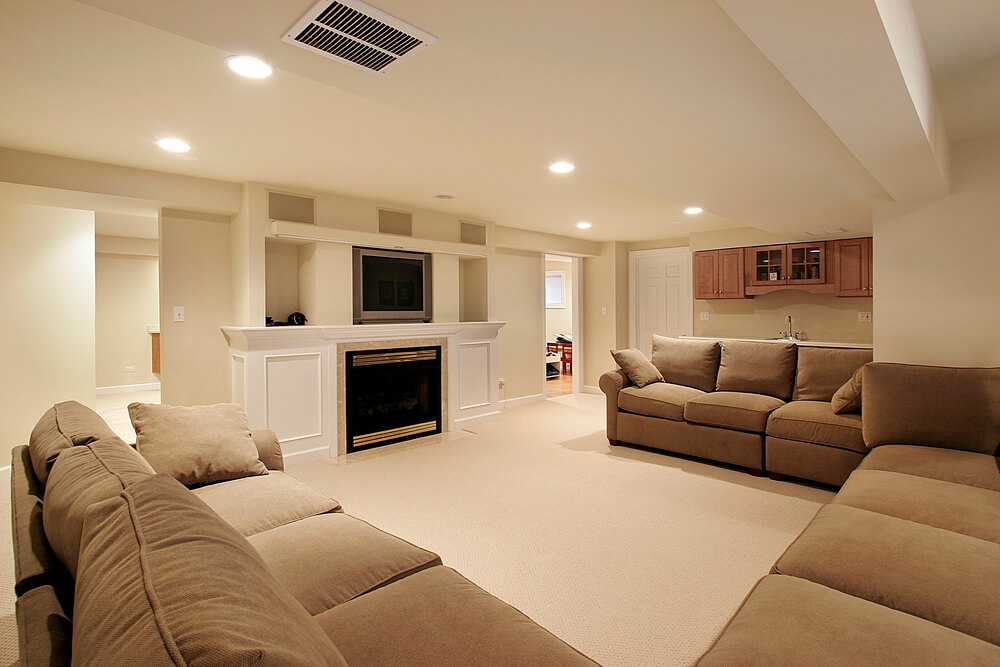
Finishing your basement is worth it when the space solves a real need. You gain usable square footage without changing your home’s footprint, and most homeowners recover around 60% to 80% of project costs. Finished basement square footage is generally valued at about 50% to 75% of the main-floor price per square foot.
The best return comes from a layout your family will actually use, whether that’s a guest suite, a home office, or a dedicated recreation space. If you want a basement for recreation, some Utah indoor sport court installers can help you plan a basketball or pickleball court as part of your finished basement.
Finish a Basement That Fits Your Northern Utah Home and Budget
Steve Austin Homes works with Northern Utah homeowners to plan basement finishes that fit how their families actually live. With local experience and a clear process from start to finish, we help you build a space that’s comfortable, code-compliant, and worth the investment.
Schedule your consultation with Steve Austin Homes today and see how the right basement finish can add lasting value to your custom home in Northern Utah.