
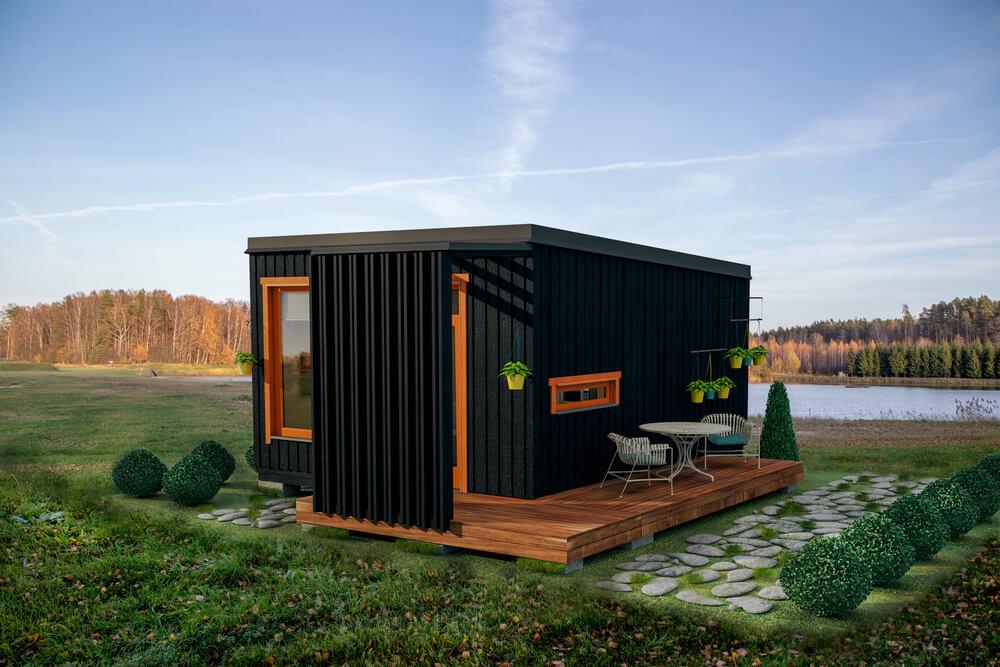
Does an Accessory Dwelling Unit make sense for your home? This guide explains what to consider before working with an ADU builder.
Key Takeaways
- To be a legal ADU, the space must have its own private entrance, kitchen, bathroom, and sleeping area.
- You can build an ADU in many ways, such as a backyard cottage, a basement apartment, or even a converted garage.
- Utah cities have specific laws about who can live in ADUs and how long you can rent them for.
Neighborhoods all across Utah are changing. If you look closely at the house next door, you might see a new backyard cottage or a cozy apartment hidden above the garage. These small homes are called ADUs, and they are popping up everywhere from North Ogden to St. George. But what exactly is an ADU, and why are so many homeowners building an ADU in Utah?
What Is the Meaning of ‘ADU’?
“ADU” stands for “Accessory Dwelling Unit.” You might also hear ADUs referred to as:
- In-law suites
- Granny flats
- Guest houses
- Backyard homes
Whatever the nickname, an ADU is essentially a small second home on your lot that is accessory to the primary residence.
What Qualifies as an ADU in Utah?
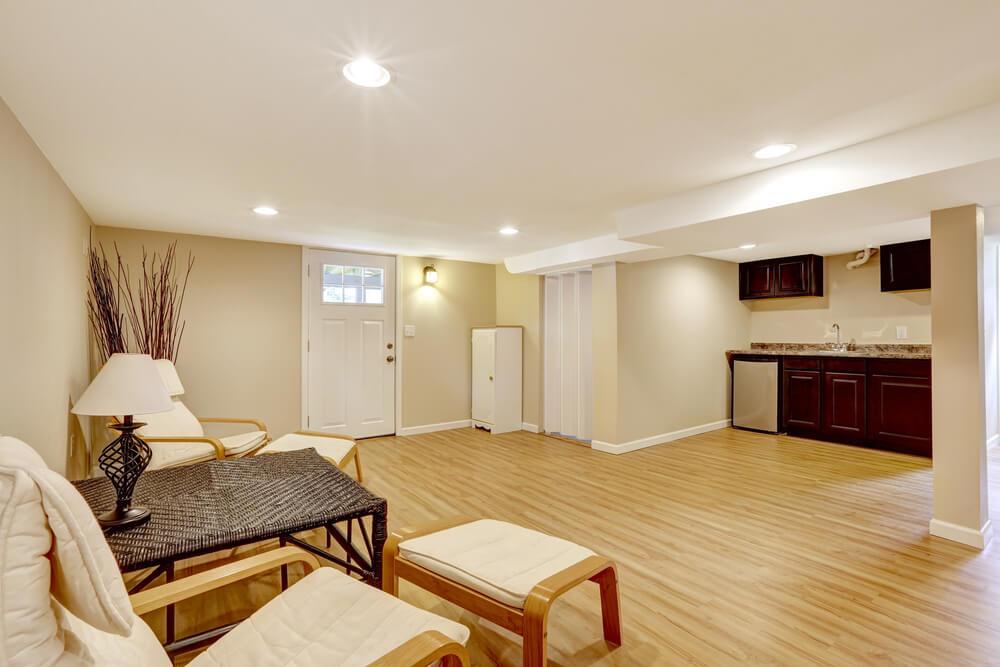
Most Utah cities have rules that determine whether a space qualifies as an ADU. Many require owner occupancy, which means you must live in either the main home or the ADU. Most properties are limited to one ADU, and you can’t sell the unit separately from the main house. Short-term rentals are often restricted, with many cities requiring leases of at least 30 days.
Key Features of an ADU
An ADU must function as a complete, independent living space. While requirements can vary by city, most ADUs include the following features:
- A private entrance separate from the main home
- A dedicated sleeping area
- A full kitchen with cooking appliances
- A bathroom with a toilet, sink, and bathing area
- Utility connections for water, electricity, and sewer
- Compliance with local building, safety, and zoning codes
- Approval and permitting from the city or county
If a structure is missing any of these elements, such as a finished shed with no kitchen or bathroom, it doesn’t qualify as a legal ADU.
What Are the Different Types of ADUs?
Here are the most common ADU types homeowners consider.
- Detached ADU: A standalone structure separate from the main home, usually built in the backyard to offer the most privacy.
- Attached ADU: A home addition connected to the primary house that shares a wall but has its own entrance and full living amenities.
- Garage Conversion ADU: An existing garage converted into a livable unit, often a lower-cost ADU since the structure and utilities may already be in place.
- Interior ADU: A unit built within the main home, such as a basement or converted living space, with a separate entrance and full kitchen and bath.
- Junior ADU (JADU): A smaller unit, typically under 500 square feet, created inside the main home and often sharing a bathroom or utilities.
- Above-Garage ADU: A unit built on top of a garage that uses vertical space to add separation while maximizing lot usage.
Understanding the different types of ADUs available helps you have a more productive conversation with your custom home builder in North Ogden about what you want and what will work on your property.
What Are Common Uses for ADUs?
Here are some of the most common ways homeowners use ADUs:
- Housing for aging parents, adult children, or other relatives
- Long-term rental income
- Guest accommodations
- Home offices
- Flexible housing
- Hobby or recreation space
Overall, ADUs provide a space that can grow with your needs while adding long-term value to your property.
What Is the Difference Between an ADU and a Casita?
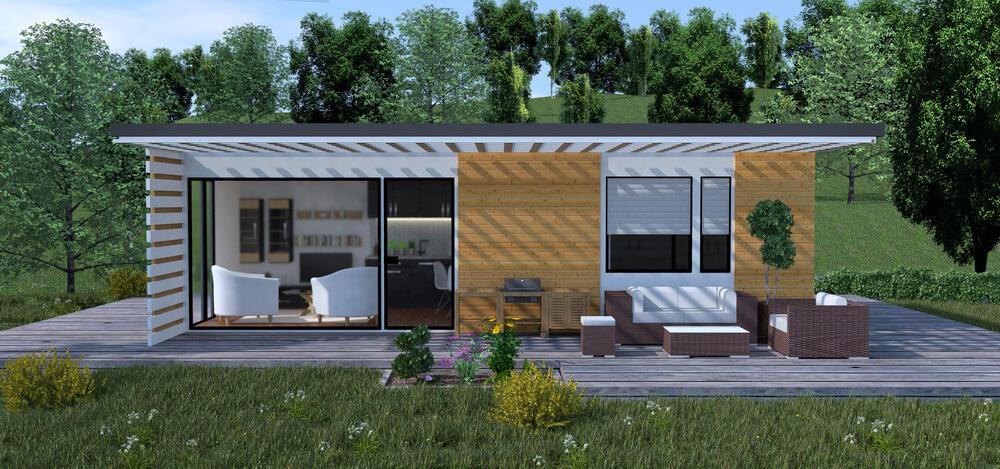
A casita is a type of ADU that is usually a small, detached living space with its own entrance, kitchen, and bathroom. The word “casita” comes from Spanish and means “little house.” So a casita is, quite literally, a tiny home in your backyard.
In simple terms, every casita qualifies as an ADU, but many ADUs are not casitas.
Build a Custom ADU in Northern Utah
An ADU is a smart investment for your property, and Steve Austin Holmes helps homeowners turn that investment into a living space that truly fits their home and lifestyle.
As an experienced ADU builder near Ogden, Steve Austin Holmes guides you through how to build an ADU, the design process, zoning considerations, and construction with a hands-on approach. Our team focuses on quality craftsmanship, thoughtful layouts, and seamless integration with your existing home. From the first conversation to the final walkthrough, you’ll get local knowledge, honest communication, and results built to last.
Ready to build a custom home addition? Contact Steve Austin Homes today, and let’s talk about your ADU plans.