
Building an ADU in Utah involves following a step-by-step process of checking local city rules, designing a space that fits your lot, and getting the right permits to make your new living area official.
Key Takeaways
- While Utah has statewide guidelines, your local town decides specific details like how big your ADU can be and if you need to add an extra parking spot.
- You have to choose between an internal ADU (like a basement apartment), an attached addition, or a detached backyard cottage based on what your property and budget allow.
- You cannot start construction until you have approved building permits and proof that your water and sewer systems can handle the extra load.
- Before you can rent the ADU or move your family in, an inspector must check the work to ensure it meets safety codes for things like smoke detectors and proper exits.
If you’ve been looking for a way to add value to your property or create a space for your family, building an ADU in Utah is a smart move. While the state has made it much easier for homeowners to get started, you still have to follow local city rules, which can change depending on where you live.
Before you grab your hammer or hire a contractor, you need to understand the basics: What is an ADU, exactly, and how do you build an ADU in Utah?
What Is an ADU?
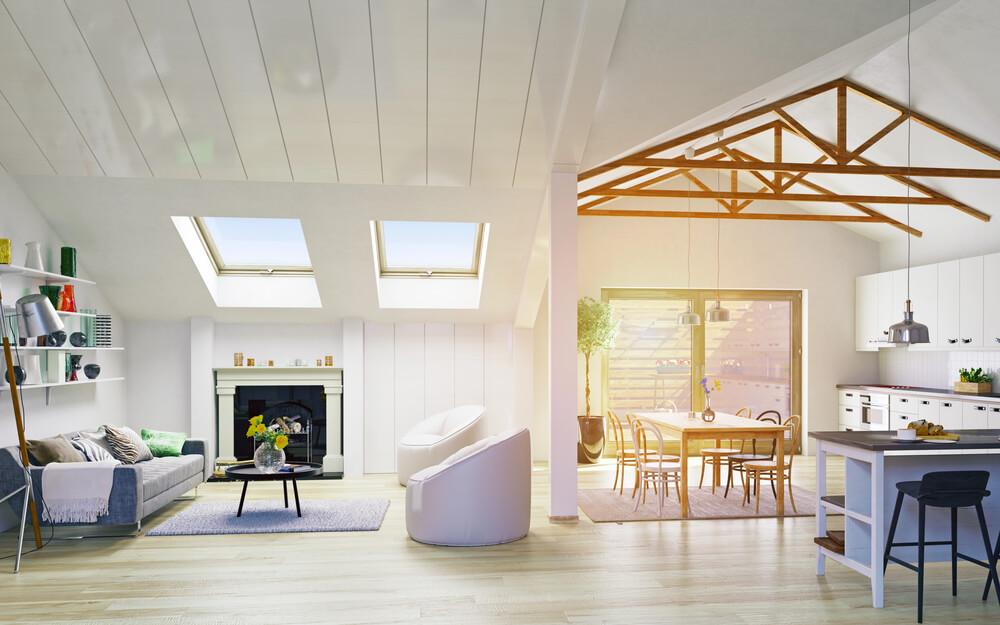
An accessory dwelling unit, or ADU, is a self-contained living space on the same lot as a single-family home. This means it has everything needed for independent living, including a private entrance, a kitchen or kitchenette, a bathroom, and a dedicated sleeping or living area.
How Do You Build an ADU in Utah?

To build an ADU in Utah, you’ll need to understand local rules, choose an ADU type, plan your project, and secure approvals.
1. Check Local Zoning and ADU Rules
While state law provides a framework for ADU regulations in Utah, each city can set additional requirements. Start by confirming that your property’s zoning allows an ADU and ask what requirements you have to follow once the ADU is in place.
For example, West Point City, UT, defines internal, attached, and detached ADUs separately but requires the homeowner to live in the main house. For examples, new homes in Pleasant View, UT, only attached ADUs can be rented, though the city is considering rule changes that would allow more options. Some cities in Utah even limit ADU size or require extra off-street parking.
2. Decide on the Type of ADU
Choose the ADU setup that works best for your property and your budget. The main difference between ADU types is where they are located and how they connect to your home.
Common ADU types include:
- Internal ADUs: Use existing space inside your home, such as a basement, attic, or garage
- Attached ADUs: Add a new living space that shares at least one wall with the main house
- Detached ADUs: Are separate buildings on the property, like a backyard cottage or converted shed
As you decide, think about how each option affects how you use your property, where tenants or family members will park, and what long-term maintenance might look like.
3. Create ADU Plans and a Budget
Once you know which type of ADU you can build, the next step is to create a clear plan and budget. Most Utah cities limit how large an ADU can be, so size rules should guide your design from the start. For example, Salt Lake City allows ADUs up to 1,000 square feet and no larger than the main house. In Weber County, many towns cap ADUs at about 40–50% of the main home, or between 800 and 1,000 square feet.
As you plan, check whether your city requires extra off-street parking or separate utility connections. Utah law allows cities to require one additional parking space for an ADU, which can affect your property layout. A solid plan accounts for construction, utilities, permits, and a buffer for unexpected expenses, helping you avoid delays or budget surprises later on.
4. Apply for Permits and Approvals
Before you build an ADU, you’ll need to secure the required permits. Most Utah jurisdictions require several approvals as part of the process. Common permit requirements include:
- Building permits: Require you to submit construction plans for review
- Owner-occupancy affidavits or rental approvals: May require you to live in either the main home or the ADU
- Proof of utility and sewer capacity: Show that existing water, sewer, or septic systems can support an additional dwelling
Always review your local application checklist for additional requirements, such as site plans, neighborhood notifications, or design standards, and plan for permit and review fees as part of your overall budget.
5. Build the ADU
Once you have your permits, you can hire licensed ADU contractors or act as an owner-builder to construct the ADU based on your approved plans. Construction must follow the International Residential Code along with any city-specific design rules. These local details matter.
For example, detached ADUs in Salt Lake County must be built on a concrete slab, set back at least 10 feet from the main house, and placed outside the front yard unless the lot is at least one acre. Other cities may allow smaller setbacks for accessory structures or restrict building over public utility easements.
Design rules can also affect your build. Many cities set limits on height, exterior materials, and overall appearance, and some require the ADU to match the main home. Throughout construction, you’ll need to schedule inspections at key stages—such as the foundation, framing, electrical, and plumbing—to make sure the project stays compliant and moving forward.
6. Pass Final ADU Inspection and Receive Occupancy Approval
After construction, a final inspection ensures that your ADU meets building codes and local requirements. Inspectors will check safety features (smoke and carbon‑monoxide detectors, egress windows), structural integrity and proper utility connections. Once your ADU passes, the city issues a certificate of occupancy, allowing you to rent the unit or use it for your family.
Create a Custom Utah ADU With Steve Austin Homes

Building an ADU is a practical way to make your property more functional, and having a partner who understands local zoning and design standards makes the entire process easier.
Steve Austin Homes can turn any ADU concept into a well-planned, lasting addition that fits naturally with your existing home. Your new space can house family, generate rental income, and add long-term value to your property.
If you’re considering an ADU in Northern Utah, contact Steve Austin Homes to build an ADU in Utah that meets your exact needs.