ADU Utah Builders
Build An ADU In Utah With Steve Austin Homes

Looking to build an ADU in Utah? Steve Austin Homes is a premiere ADU in Utah Builder.
We’ll help you discover the true potential of your property with a custom built ADU from Steve Austin Homes.
Envision a retreat that not only offers a haven for relaxation but also adapts seamlessly to your evolving needs. With our creative designs, building your ADU in Utah can transition from a charming guest suite to a backyard home office or an inspiring studio, ensuring every inch is maximized for your enjoyment.
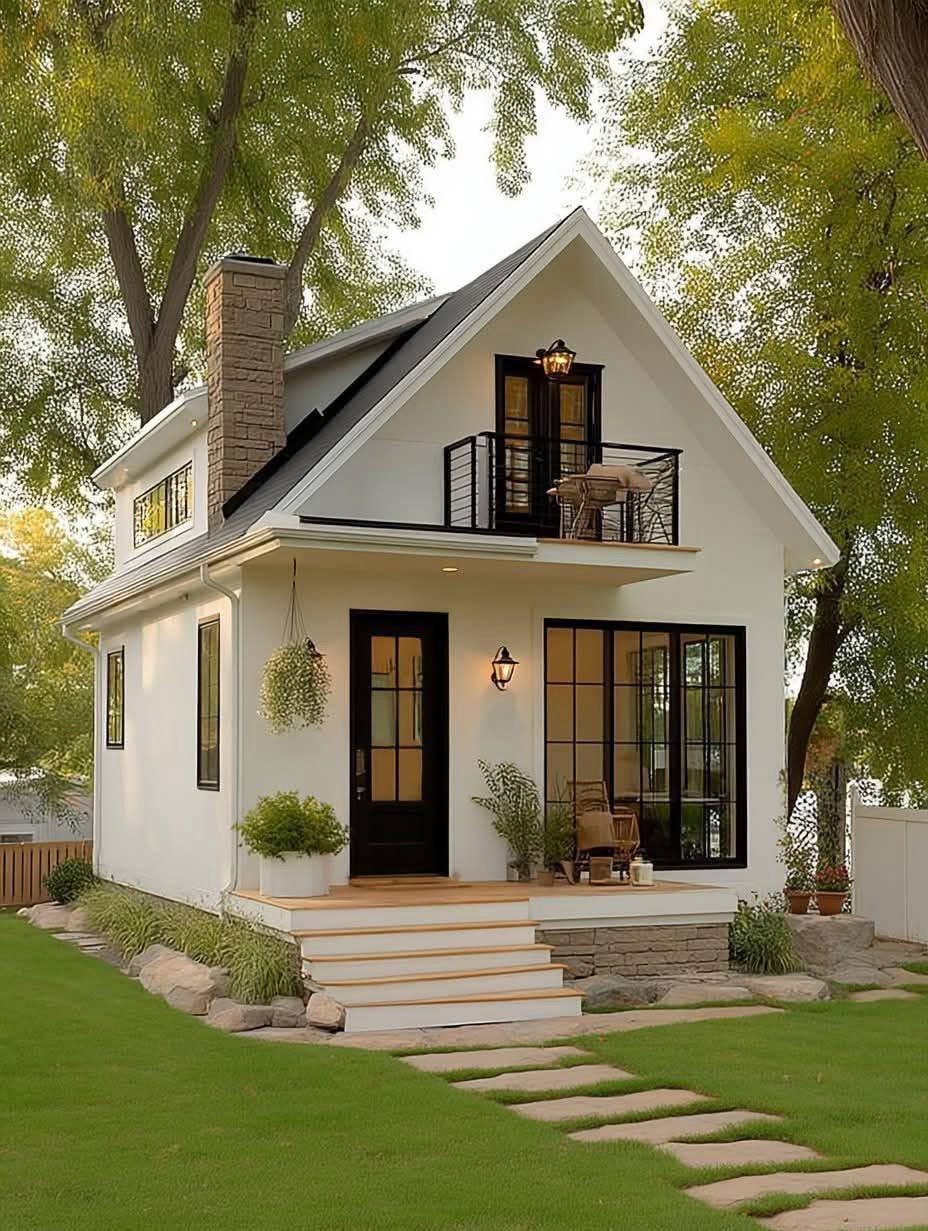
Why Build An ADU In Utah?
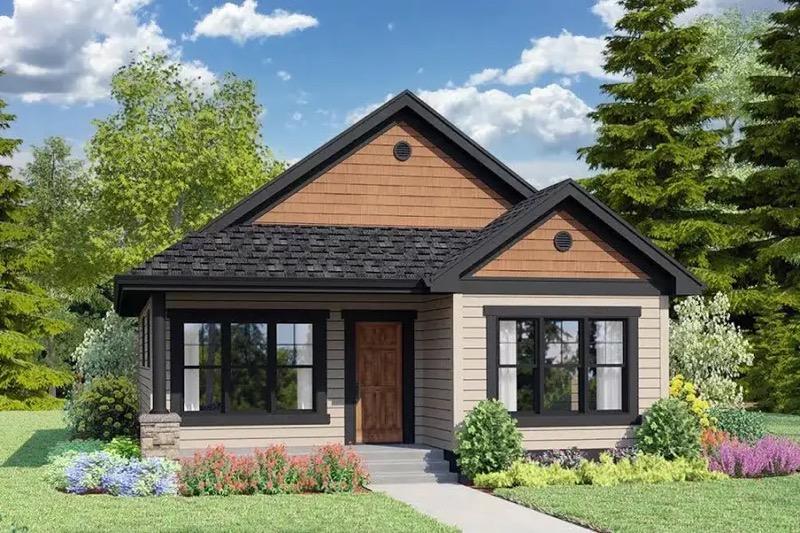
Maximize Your Property’s Potential
Transform your outdoor space by choosing a ADU structure that goes beyond the ordinary shed or garage. By investing in a well-crafted ADU in Utah, you can fulfill your storage requirements while simultaneously creating inviting living spaces for family, friends, or potential renters.
Flexible Living Space
Create the perfect mother-in-law suite, guest house, or private retreat right in your backyard. Hosting friends and family becomes effortless when they have their own welcoming, self-contained space.
Generate Passive Income
Turn your backyard into an income-generating opportunity. Renting your ADU on Airbnb or to long-term tenants provides a reliable stream of passive income, potentially covering your initial investment and beyond
Boost Your Property Value
ADUs significantly increase the market value and attractiveness of your property. With rising housing demands Utah, your ADU construction in Northern Utah will not only provide immediate benefits but lasting financial growth.
Why Choose Steve Austin Homes?
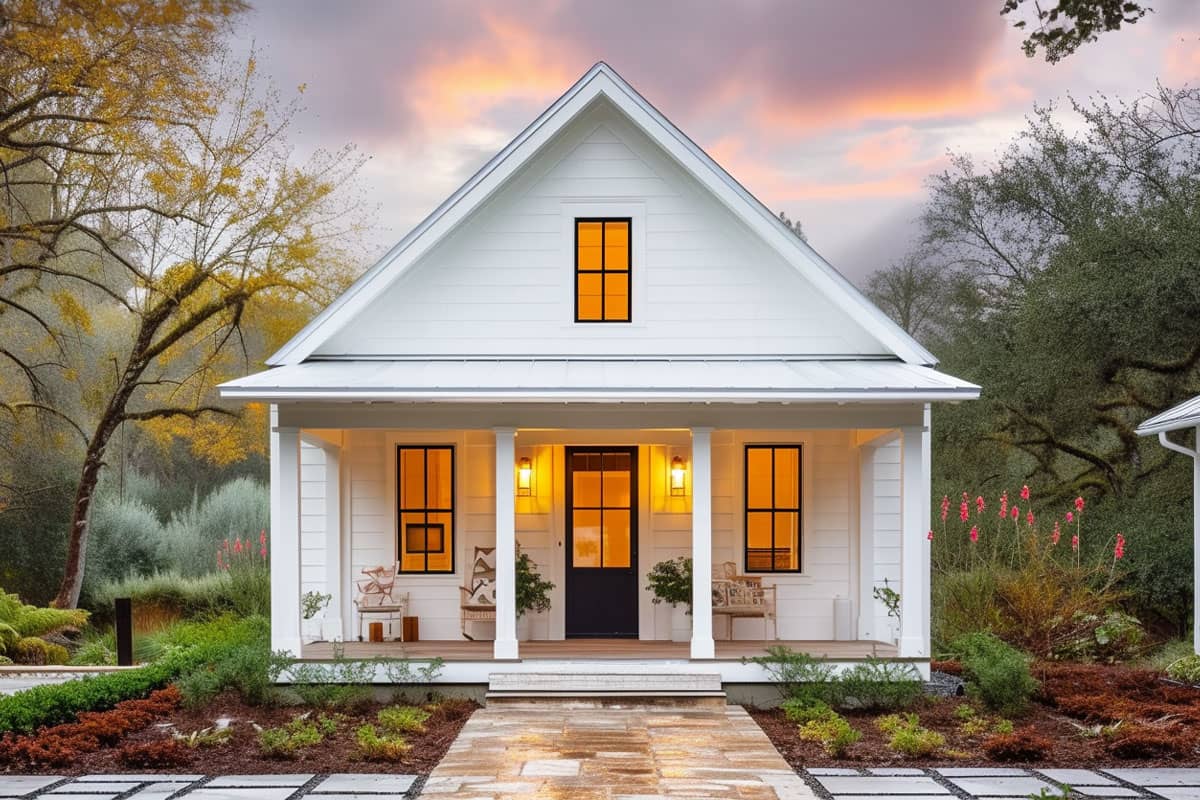
Quality ADU Craftsmanship
Our team ensures your custom built ADU blends seamlessly with your main residence, reflecting both quality and your personal style.
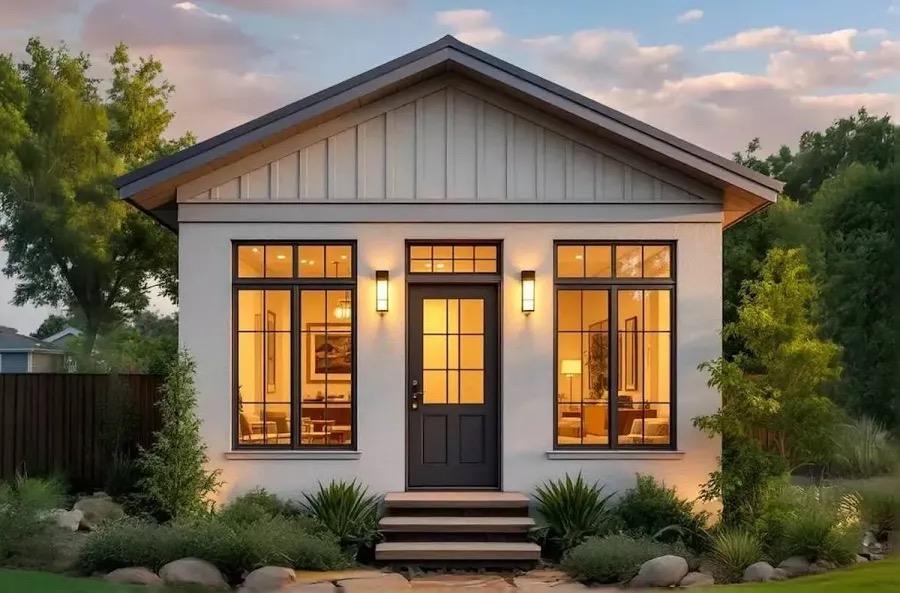
Comprehensive ADU Service
From initial concept to final construction, we handle every step, making the process straightforward and enjoyable.
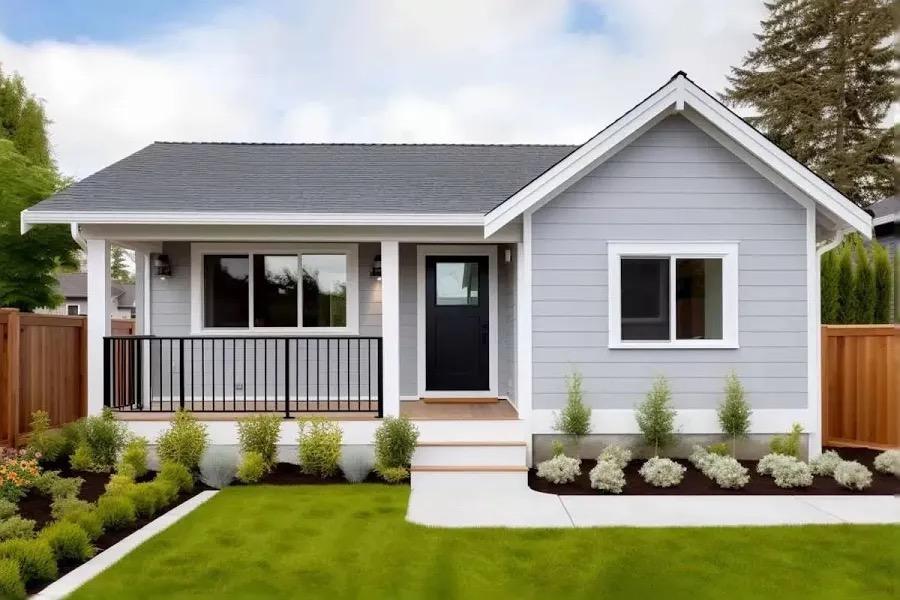
ADU Knowledge & Experience
As an ADU builder in Utah, we understand local zoning and building regulations, ensuring a smooth, compliant construction process.
We Handle Everything!
We prepare and submit complete ADU permit plans directly to your city or county in Utah, so nothing slips through the cracks when building an ADU in Utah.
What we take care of:
- Permit applications
- Geotechnical reports
- Utility and gas diagrams
- Owner affidavits and required documentation
- City review comments, corrections and resubmittals
To keep things moving, we also handle weekly follow-ups with the city, pushing approvals forward instead of letting your ADU plans sit in review limbo.
Step 1
Discovery Call & Project Vision
Schedule a call with a Steve Austin Homes ADU specialist to discuss goals, budget, and to see ADU floorplan options.
Step 2
Site Evaluation & Feasability
We’ll come out to your home and do an in-person assessment to review zoning, ADU placement & city ADU rules.
Step 3
Financing Strategy
If not paying cash, we can explore ADU financing options such as HELOC, construction loan, rental strategies & more!
Step 4
Design & Architecture
We help you refine your floor plan layout, exterior style, ADU placement, custom options and structural plans.
Step 5
Permits & Municipal Approval
We submit your ADU plans to your city or county – we handle this entire process from permits, diagrams, reports and more!
Step 6
Finish Selections
Choose exterior ADU materials and colors, interior paint and flooring, cabinets, lighting and plumbing fixtures etc.
Step 7
Construction
We’ll start building your ADU within 3 weeks of permit approval. Typical ADU build time is only 4 months!
Step 8
Walkthrough & Warranty
Final ADU walkthrough with orientation on warranty, owner manuals, as-built drawings, and warranty contact info.
Get A Quote!
Fill out the form below and let’s talk about creating the perfect ADU in Utah to enhance your lifestyle and boost your property’s value.
FAQs
What Does ADU Construction Include?
ADU construction in Utah includes everything needed to design, permit, and build a livable secondary housing unit on a residential property. This typically starts with planning and design, including architectural drawings, engineering, and site evaluation. The process also includes securing the required permits, preparing the site, building the foundation, and completing the structure itself. Construction covers framing, roofing, siding, insulation, electrical, plumbing, HVAC, and interior finishes such as flooring, cabinetry, and fixtures.
What cities do we build ADUs in?
Steve Austin Homes builds ADUs in the following northern Utah cities: North Ogden, Harrisville, West Point, Farr West, Plain City, Hooper, Taylor, Roy, Syracuse, Pleasant View, Morgan, Clinton, Montain Green, Huntsville, Eden and Marriot-Slaterville.
How Much Does An ADU Cost In Utah?
The cost to build an ADU in Utah varies based on size, location, design complexity, and finish level. On average, ADU projects often start from $150,000 or more. Cost per square foot can vary widely depending on materials, site conditions, and labor, and additional expenses such as utility connections, impact fees, and permitting should also be factored into the total project budget.
How Long Does It Take To Build An ADU In Utah?
The timeline for an ADU project typically ranges from three to six months, though it can vary based on design complexity and permit review times. The design and planning phase may take several weeks, followed by the permit review process, which can take anywhere from a few weeks to a couple of months depending on the city. Once permits are approved, construction usually takes a few months, starting with site preparation and foundation work, followed by framing, system installations, interior finishes, and final inspections before occupancy.
Pros and Cons of Building An ADU In Utah?
PROS: Building an ADU offers several benefits, including the potential for rental income, increased property value, and flexible living space for family members, guests, or work. ADUs can also support long-term housing needs and provide options for multigenerational living.
CONS: Some cities restrict short-term rentals, and ongoing maintenance, utilities, and potential tax changes should be considered before moving forward.